On February 9, 2026, the telehealth landscape faces a reckoning. Hims & Hers Health (NYSE: HIMS), a company that once seemed invincible during the weight-loss drug gold rush of 2025, is currently grappling with a sharp 20% decline in its stock price over the past week. The catalyst for this sudden valuation haircut is a strategic—and forced—pivot away from its ambitious oral GLP-1 weight-loss drug program. As the "compounding loophole" that fueled much of the company's 2025 growth begins to close under regulatory pressure, investors are left questioning whether HIMS is a sustainable healthcare platform or a temporary beneficiary of a drug shortage.
Historical Background
Founded in 2017 by Andrew Dudum, Hims & Hers Health began as a direct-to-consumer (DTC) portal focused on "embarrassing" health conditions—specifically erectile dysfunction and hair loss. By stripping away the stigma and complexity of traditional pharmacy visits, the company quickly built a loyal subscriber base. HIMS went public via a Special Purpose Acquisition Company (SPAC) in January 2021, a move that provided the capital necessary to expand into "Hers" (women’s health) and mental health services. Over the years, the company transitioned from a simple reseller of generic pills to a sophisticated telehealth provider that emphasizes "personalized" medicine, where dosages and combinations are tailored to individual patient needs.
Business Model
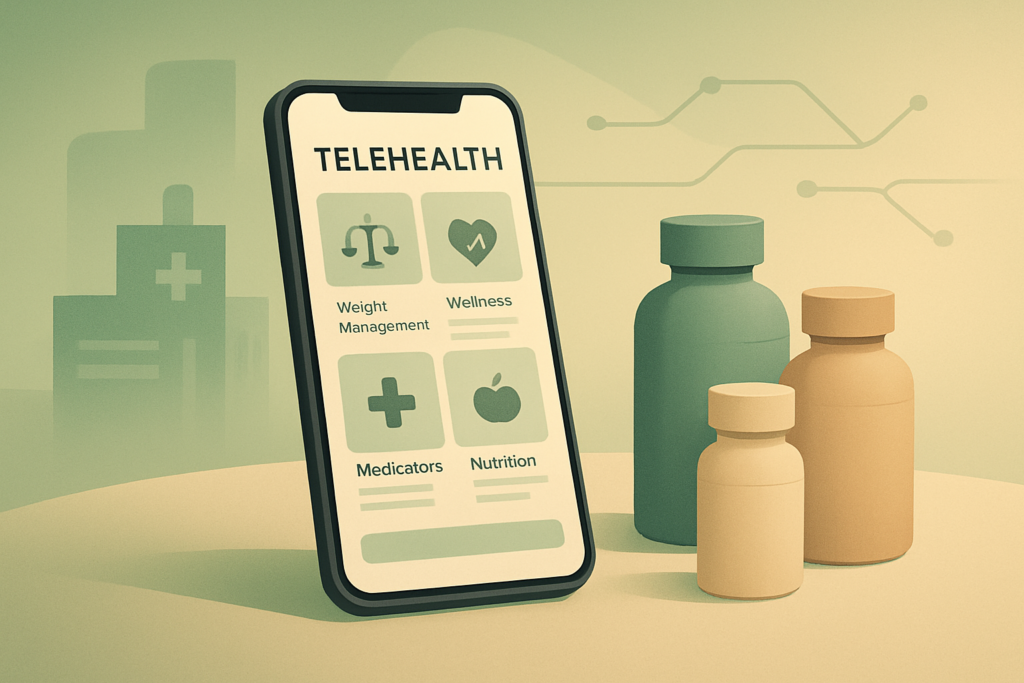
The HIMS business model is built on three pillars: accessibility, personalization, and recurring revenue. The company operates a high-margin subscription platform where over 90% of revenue is recurring.
- Direct-to-Consumer Telehealth: Patients consult with licensed clinicians via the HIMS app.
- Personalized Formulations: Unlike traditional pharmacies, HIMS utilizes its own compounding facilities to create proprietary dosages (e.g., combining hair loss medication with topical vitamins).
- Subscription-Based Fulfillment: Medications are shipped directly to consumers in discreet, modern packaging, creating a "lifestyle brand" feel that traditional pharmacies lack.
The core of the business has recently shifted toward weight loss, which, until this week, was expected to be its largest revenue driver.
Stock Performance Overview
The stock performance of HIMS has been a rollercoaster for long-term investors.
- 1-Year Performance: Despite the recent 20% crash, the stock had nearly tripled in value during the 2025 fiscal year as the company successfully capitalized on the GLP-1 shortage.
- 5-Year Performance: Since its 2021 debut, HIMS has experienced extreme volatility, trading as low as $3 and as high as $30.
- Recent Correction: The 20% drop in early February 2026 represents a "valuation reality check," as the market recalibrates for a future without the high-margin "compounded oral GLP-1" tailwind.
Financial Performance
Financially, HIMS is in a much stronger position than it was three years ago.
- Revenue Growth: The company ended 2025 with estimated revenues of approximately $2.3 billion, representing a massive jump from 2024.
- Profitability: HIMS achieved net income profitability in 2024 and maintained it throughout 2025, with Q3 2025 net income reported at $15.8 million.
- Margins: Gross margins remain robust at around 75-80%, though marketing spend continues to be a significant drag on bottom-line expansion.
- Cash Position: As of early 2026, the company maintains a healthy balance sheet with significant cash reserves and minimal debt, providing a cushion as it navigates the current pivot.
Leadership and Management
CEO Andrew Dudum remains the face and visionary of the company. Known for his aggressive growth strategies and focus on "democratizing healthcare," Dudum has been both a hero to retail investors and a target for regulatory skeptics. The leadership team has been praised for their operational execution—specifically their ability to scale manufacturing by 1 million square feet in a single year—but they are now facing criticism for the abrupt cancellation of the $49 oral semaglutide launch, which some analysts view as a failure in regulatory foresight.
Products, Services, and Innovations
HIMS offers a broad suite of products across five main categories:
- Sexual Health: ED and PE treatments (the original core).
- Dermatology/Hair: Personalized hair growth and skincare.
- Mental Health: Therapy and anxiety medication.
- Weight Loss: The current focus, moving away from oral GLP-1s toward "personalized oral kits" (metformin/bupropion) and injectable compounded semaglutide (for as long as allowed).
- Hormone Health: A new 2026 initiative focusing on testosterone replacement therapy and diagnostics.
Competitive Landscape
HIMS operates in a "pincer movement" of competition:
- Big Pharma: Novo Nordisk (NVO) and Eli Lilly (LLY) are the primary rivals in the weight-loss space. Their launch of branded oral weight-loss pills in early 2026 directly threatened the HIMS compounding model.
- Telehealth Peers: Companies like Ro and Sesame also offer GLP-1 programs, often at lower price points.
- Retail Giants: Amazon Clinic (AMZN) and Walmart (WMT) continue to expand their telehealth footprints, threatening to turn HIMS's personalized model into a low-margin commodity service.
Industry and Market Trends
The "GLP-1 economy" is the dominant trend of 2026. However, the industry is shifting from a "shortage" phase to a "managed care" phase. As Novo Nordisk and Eli Lilly have finally resolved their supply chain issues, the legal protections that allowed HIMS to sell compounded (generic-like) versions of these drugs are evaporating. The trend is moving toward "authorized generics" and insurance-covered branded drugs, leaving non-insurance providers like HIMS in a precarious position.
Risks and Challenges
The primary risk facing HIMS today is regulatory obsolescence.
- The FDA "Shortage List": Compounded GLP-1s are only legal while the branded versions are on the FDA's shortage list. As those shortages ease in 2026, HIMS's ability to sell its most profitable product may be legally terminated.
- Legal Challenges: Big Pharma has a massive legal war chest. The recent "cease and desist" threats regarding HIMS's oral semaglutide formulation highlight the risk of expensive, protracted litigation.
- Execution Risk: Shifting focus to new categories like testosterone therapy takes time and marketing spend, which could dampen profitability in 2026.
Opportunities and Catalysts
Despite the 20% sell-off, catalysts remain:
- Diversification: The pivot into diagnostics and hormone health (testosterone) addresses a massive, underserved market that is less reliant on the volatile GLP-1 regulatory landscape.
- International Expansion: HIMS is currently scaling its footprint in the UK and Europe, where regulatory environments for telehealth are evolving.
- M&A Potential: With a depressed stock price and a strong subscriber base, HIMS could become an attractive acquisition target for a traditional retail pharmacy or a larger tech company looking to enter health.
Investor Sentiment and Analyst Coverage
Investor sentiment is deeply divided.
- The Bears: View HIMS as a "shortage play" that is losing its competitive edge as the GLP-1 frenzy cools. Short interest remains high at approximately 30%.
- The Bulls: Argue that HIMS is a platform, not a single-drug company. They point to the 2.5 million+ subscribers who use HIMS for more than just weight loss.
Wall Street analysts have largely lowered their price targets following the February 8 pivot, though several maintain "Buy" ratings based on the company's strong cash flow from its core ED and hair loss businesses.
Regulatory, Policy, and Geopolitical Factors
HIMS exists in the crosshairs of the FDA’s Section 503A and 503B regulations. These laws allow for compounding when a drug is in short supply but prohibit the "mass manufacturing" of copies of approved drugs. The pivot away from oral GLP-1s was a direct response to the FDA’s clarification in early 2026 that oral formulations do not meet the "essential copy" exemption as easily as injectables. Government policy regarding "drug affordability" could potentially favor HIMS, but for now, patent law remains the dominant force.
Conclusion
The 20% decline in HIMS stock is a painful but perhaps necessary correction. For over a year, the company’s valuation was propped up by the promise of becoming the "generic king" of the GLP-1 market. With the pivot away from oral GLP-1s, HIMS is returning to its roots as a lifestyle health platform. While the loss of a high-growth revenue stream is a setback, the company’s underlying financials and massive subscriber base suggest it is far from a failure. Investors should watch the upcoming February 23, 2026 earnings call closely; the company's ability to sell its "post-GLP-1" vision will determine if this 20% drop is a buying opportunity or the start of a long-term decline.
This content is intended for informational purposes only and is not financial advice.