(BPT) - Gut health is a frequent topic in the news, for good reason. Having a healthy gut contributes to your overall well-being, impacting your immune system, metabolism and more. This is one reason parents should take notice when their child has stomach pain or other digestive issues. Stomachaches are a frequent complaint in childhood, and they can have many causes. While some are easily resolved, stomachaches can indicate a larger health issue.
"Because stomach pain can sometimes signal a more serious condition, it's a good idea for parents to familiarize themselves with signs they shouldn't ignore, and to ask the family's pediatrician whenever they have questions about their child's health," said Dr. Reinaldo Garcia-Naveiro, director, Pediatric Gastroenterology, Akron Children's.
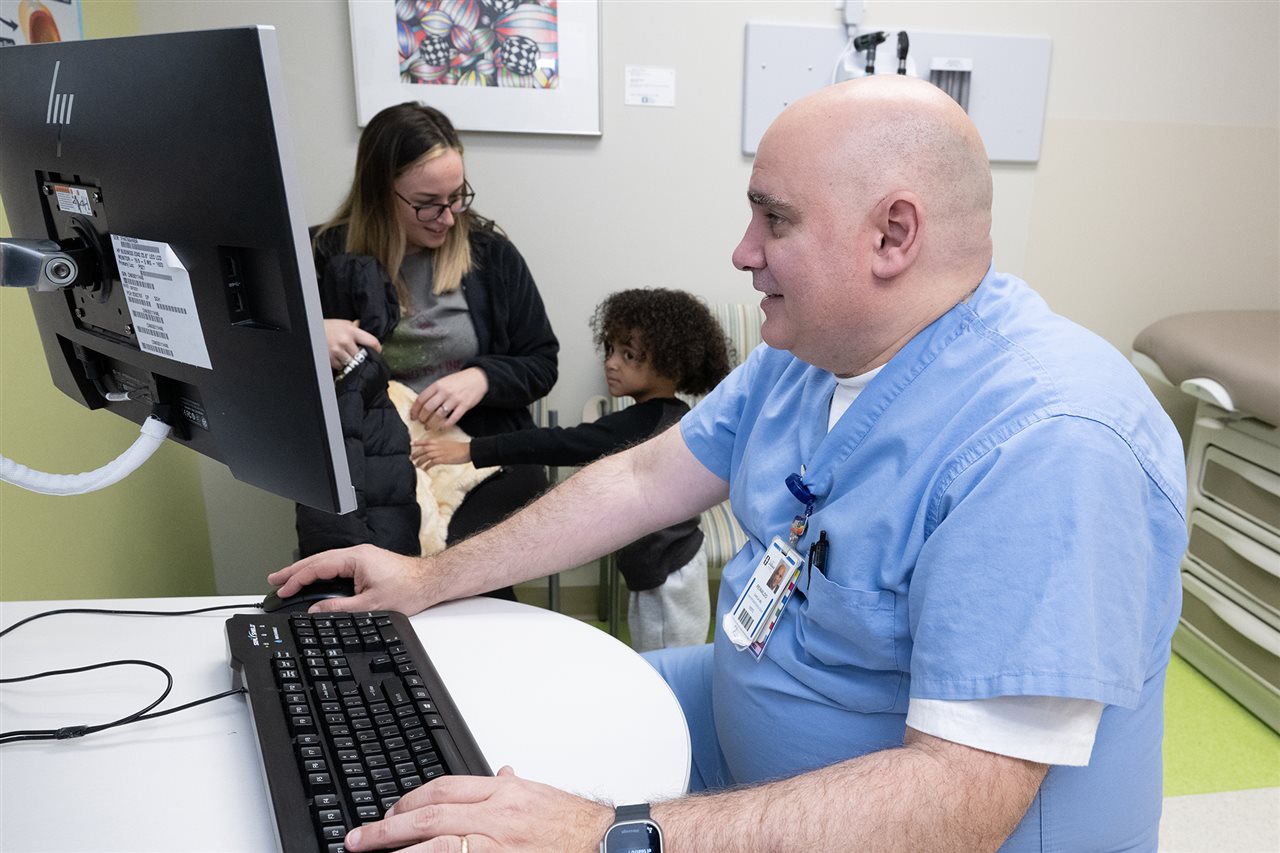
The experts at Akron Children's offer tips to help parents recognize when a simple stomachache may not be so simple.
What to know when your child has a stomachache
"If your child complains about stomach pain, it's important to check for other symptoms," said Garcia-Naveiro. "Stomachaches can have many causes, from gas or constipation to stress, overeating, a contagious "stomach bug" like Norovirus, or chronic underlying conditions like irritable bowel syndrome (IBS) or Crohn's Disease, reflux or celiac disease."
Stomach pain can also be caused by food allergies or food poisoning. Given these many potential causes, it's vital to note any additional symptoms that can help your child's doctor understand why your child isn't feeling well.
Signs your child needs medical attention
"While many stomachaches quickly get better, it's important to consult your doctor when pain is severe, occurs frequently or doesn't go away," added Garcia-Naveiro.
You should also call the doctor if your child has a stomachache and:
- the pain seems very strong or worsens over time
- the pain wakes them up from sleep
- the pain is in the right lower side of the belly
- is vomiting
- is very fussy
- is lethargic (very sleepy)
- has another health condition
Tell the doctor about other symptoms your child has, such as:
Symptoms that may accompany stomach pain
You should note any other symptoms your child may also experience while they have a stomachache, which can help clarify why their stomach hurts.
Vomiting: This is most often caused by gastroenteritis, an infection of the stomach and intestines that usually lasts less than 24 hours. Rarely, vomiting can signify a serious problem, including a blocked intestine, gallstones, pancreatitis or appendicitis. Frequent vomiting can lead to dehydration (not having enough water in the body). Children who continue vomiting or have severe dehydration need treatment in the emergency room or hospital.
Diarrhea: Soft/loose bowel movements are not uncommon in children. This usually doesn't last long and often gets better on its own. Diarrhea can be caused by a number of different viruses, bacteria or parasites. Children can also get diarrhea from drinking too much juice and other sugar-sweetened beverages, or due to food allergies, lactose intolerance, taking antibiotics or resulting from medical problems like celiac disease, inflammatory bowel disease (Crohn's disease and ulcerative colitis) and irritable bowel syndrome. If your child has frequent diarrhea, or it doesn't resolve in a few days, see their pediatrician to determine the cause and appropriate treatment.
Constipation is a common problem in children, and usually not cause for concern. You may notice your child having fewer than two bowel movements in a week, or dry, difficult-to-pass bowel movements. Constipation can be due to a diet without enough water and fiber, as found in foods like fresh fruits, vegetables and beans, which help bowels move as they should. Toilet training toddlers sometimes become constipated, and some children may avoid going to the bathroom if they don't want to use a restroom away from home. Stress can also lead to constipation, and some kids may get constipated if they have irritable bowel syndrome (IBS).
Other symptoms that can accompany children's stomachaches include sore throat, heartburn, fever, bloating and painful urination. The combination of symptoms your child is having can help determine the cause of their stomach pain. Write down what you're noticing, so you can share that information with their pediatrician.
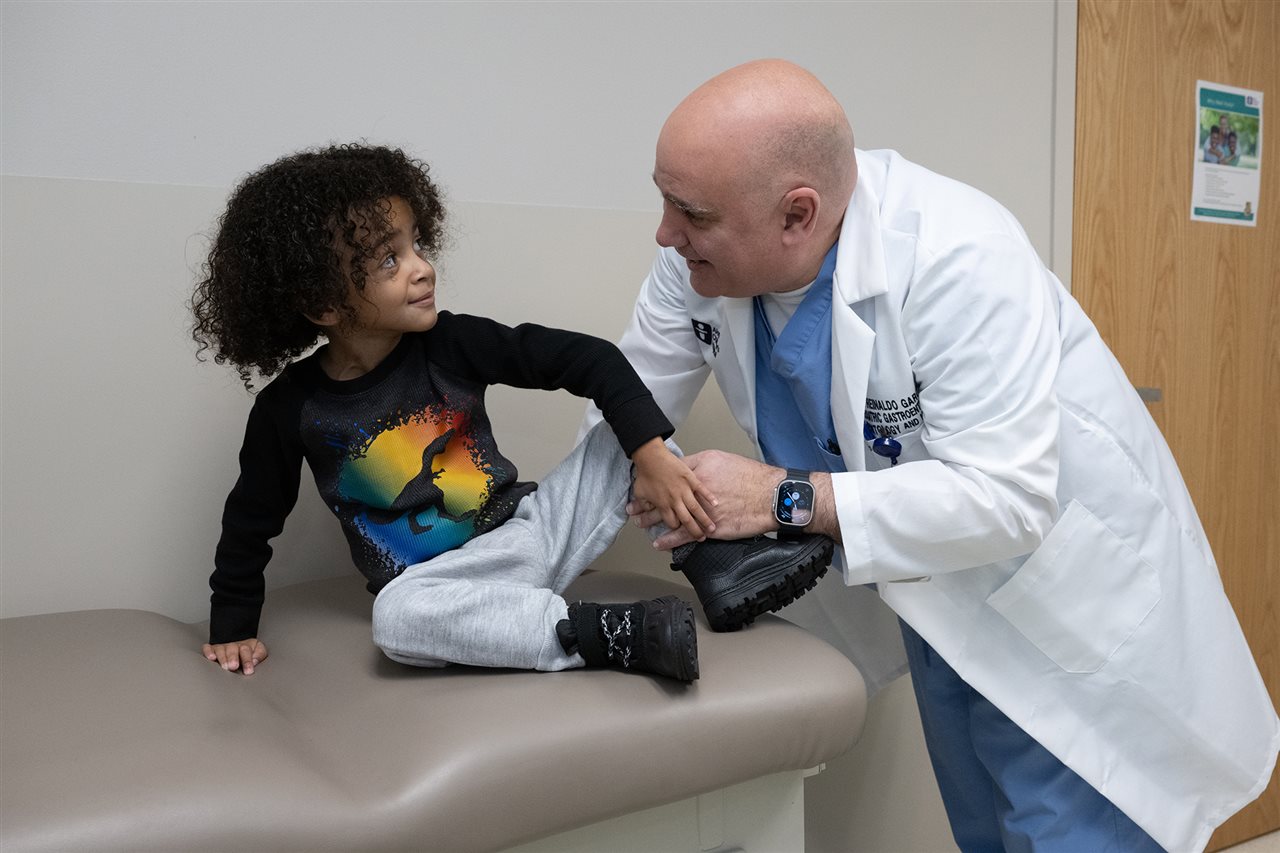
Expert medical care near you
When your child isn't feeling well, it's crucial to find a doctor you trust. Look for clinics and hospitals in your area that specialize in pediatric care. For example, in addition to primary care, Akron Children's offers a comprehensive range of specialty care including Cardiology, ENT, Neurology and Orthopedics. Akron Children's pediatricians and pediatric providers help kids find more childhood in every day, even when they're sick.
Akron Children's offers two hospital campuses, six regional health centers, over 45 primary care locations and nearly 250 providers, making it easier for today's busy families to find high-quality care. Akron Children's was recognized as one of America's Best Children's Hospitals, and named a top pediatric hospital in the U.S., according to Newsweek's Best Children's Hospitals of 2025 list.
The pediatric gastroenterology department at Akron Children's combines its expertise in pediatric gastrointestinal diseases with advanced diagnostics and therapies to provide the highest-quality medical care to infants, children and teens with digestive problems, focusing on concerns unique to pediatric patients including growth, physical and emotional development and age-related social issues.
The team at Akron Children's is experienced in diagnosing and treating all types of serious gastrointestinal, liver and pancreas disorders including celiac disease, gastroesophageal reflux, inflammatory bowel disease, hepatitis, pancreatitis and Crohn's disease. The department also collaborates with Cincinnati Children's Hospital for liver transplants.
Find more health tips for parents, and learn more about Akron Children's and their pediatric gastroenterology department, at AkronChildrens.org.