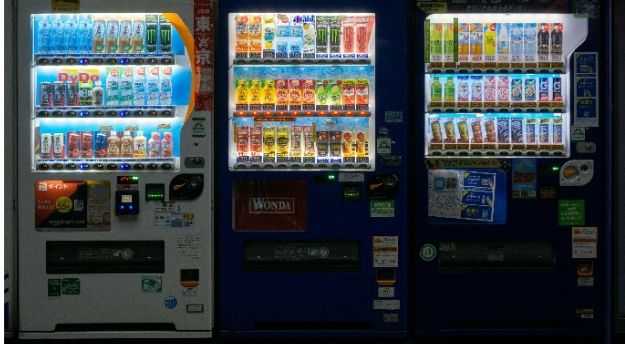
The dream of earning passive income often leads aspiring entrepreneurs to the world of automated retail. It is a sector defined by low labor requirements and the ability to generate revenue around the clock. However, before you can stock your first row of snacks, you must understand the financial commitment required to get your equipment on-site. Many beginners find themselves asking how much do vending machines cost as they realize that a small investment in high-quality hardware is a positive step toward long-term financial freedom. By identifying these initial expenses early, you can build a sustainable business model that scales effectively over time.
For most individuals entering this industry, the total entry price for a single-machine operation typically falls between $4,000 and $10,000. This range covers the machine itself, the initial inventory, legal protections, and the logistics of setting up shop. While it is possible to start for less by purchasing older, used equipment, the mid-range investment ensures you are working with reliable technology that won't require immediate, expensive repairs.
The Primary Investment: Machine Acquisition
The most significant portion of your startup capital will be dedicated to the machine itself. There are three main paths you can take when purchasing your first unit: new, refurbished, or used.
New machines are the most expensive option, often starting at $5,000 and reaching well over $10,000 for specialized units that offer refrigeration or touch-screen interfaces. The benefit of buying new is the peace of mind that comes with a manufacturer’s warranty and the latest payment technology, such as credit card readers and mobile pay options.
Refurbished machines represent the "sweet spot" for many beginners. These units are typically priced between $2,000 and $4,000. A reputable refurbisher will strip the machine down, replace worn motors, update the software, and ensure the cooling systems are functioning perfectly. This option allows you to own a professional-grade machine that looks and performs like new without the premium price tag of a factory-fresh model.
The used market, found on platforms like Facebook Marketplace or Craigslist, offers the lowest prices, sometimes as low as $500 to $1,500. However, this is often a gamble for beginners. Without a warranty or a technical background, a cheap machine can quickly become a "money pit" if the compressor fails or the coin mechanism jams shortly after purchase.
Technology and Payment Systems
In the modern economy, carrying cash is becoming less common. To maximize your sales, your machine must be equipped to handle more than just quarters and dollar bills. If your machine does not come with a pre-installed credit card reader, you will need to factor in this cost.
A standard card reader, such as those provided by Nayax or Cantaloupe, generally costs between $200 and $300. Beyond the hardware cost, these systems usually require a monthly subscription fee for cellular data and a small percentage of every transaction. While this adds to your overhead, the ability to accept digital payments can increase a machine's revenue by 30 percent or more, making it a necessary expense for any serious operator.
Initial Inventory and Product Selection
Once the machine is secured, you need something to sell. Your initial inventory is a variable cost that depends on the size of your machine and the type of products you choose. For a standard snack or soda machine, you should budget between $150 and $200 for your first full stock.
The goal is to buy in bulk to keep your profit margins high. Shopping at warehouse clubs like Costco or Sam’s Club is the standard practice for small-scale operators. For example, a bag of chips purchased in a variety pack might cost you $0.50, which you can then sell for $1.50 or $2.00. Staying within the $150 to $200 range for your first fill ensures you have enough variety to test what sells best at your specific location without over-investing in products that might expire before they are purchased.
Protecting Your Asset: Insurance and Legal Fees
Often overlooked by beginners, insurance is a critical component of a professional vending business. You are placing a heavy, electrical appliance in a public or semi-public space. If a machine tips over or causes an electrical fire, you need to be protected.
On average, a general liability insurance policy for a vending machine business costs about $500 annually. This policy protects you against third-party bodily injury and property damage. Additionally, many high-traffic locations, such as office buildings or hospitals, will require you to provide a Certificate of Insurance before they allow you to install your machine on their premises.
In addition to insurance, you should budget for basic legal setup. This includes registering your business as an LLC to protect your personal assets. Depending on your state, filing fees can range from $50 to $500. You may also need a general business license or a specific "vending machine permit" required by your city or county health department.
Logistics: Delivery and Installation
A vending machine is a heavy, awkward piece of equipment, often weighing between 400 and 800 pounds. Unless you own a heavy-duty truck with a liftgate and a specialized pallet jack, you will likely need to hire professional movers.
Delivery and installation services usually cost between $200 and $500 depending on the distance and the complexity of the move (such as navigating stairs or narrow doorways). While it may be tempting to try and move the machine with a few friends, the risk of damaging the machine’s internal components or causing personal injury is high. Professional movers ensure the machine arrives safely and is leveled correctly, which is vital for the proper operation of the coin mechanism and product delivery spirals.
Location and Commissions
While not an "upfront" cost in the traditional sense, the "rent" you pay for your space is a part of your ongoing financial planning. Most vending operators do not pay a flat monthly rent. Instead, they agree to a commission structure where the property owner receives a percentage of the gross sales, typically between 5 percent and 15 percent.
However, if you are just starting out and providing a brand-new or high-quality refurbished machine to a location that currently has no vending options, you may be able to negotiate a 0 percent commission for the first year. This allows you to recoup your initial startup costs faster.
The "Rainy Day" Maintenance Fund
Even the best machines will eventually encounter a glitch. A bill validator might get jammed with a crumpled dollar, or a motor might burn out. Beginners should set aside a small reserve fund of approximately $300 to $500 for emergency repairs. Being able to fix a machine within 24 hours is the difference between a successful business and a frustrated location manager who wants your machine removed.
Conclusion
Starting a vending machine business is an accessible way to enter the world of entrepreneurship, provided you have a clear understanding of the numbers. By budgeting for a total startup cost in the $4,000 to $10,000 range, you account for the machine acquisition, modern payment technology, the $150 to $200 initial inventory, and the $500 annual insurance average.
When you approach this venture with a professional mindset and a realistic budget, you transition from a hobbyist to a business owner. The "real cost" of convenience is an investment in an asset that, when placed in the right location, can provide a steady stream of income for years to come. Success in this industry is rarely about luck; it is about preparation, quality equipment, and understanding the value of every dollar spent at the starting line.
Media Contact
Company Name: Dfyvending
Email: Send Email
City: New York
Country: United States
Website: https://dfyvending.com/