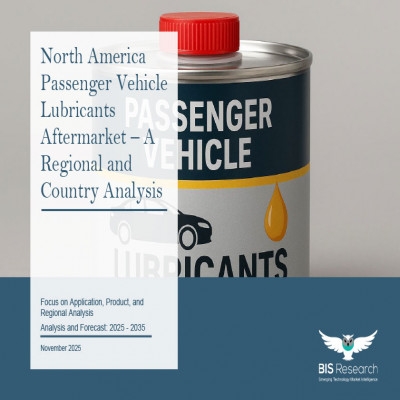
The North America passenger vehicle lubricants aftermarket is a crucial part of the broader automotive aftermarket, supported by routine vehicle maintenance needs and advancing automotive technologies. As vehicle miles traveled increase and demand for advanced lubrication solutions grows, companies are increasingly looking to invest in North America Passenger Vehicle Lubricants Aftermarket to align with evolving consumer preferences and powertrain innovations.
What Are the Key Drivers of the North America Passenger Vehicle Lubricants Aftermarket?
-
Recovery in Vehicle Usage: A rebound in vehicle-miles-traveled is intensifying engine wear and increasing lubricant replacement needs.
-
Aging Vehicle Parc: Longer vehicle ownership in North America fuels consistent aftermarket lubricant demand, especially for maintenance fluids.
-
Advanced Specifications: Shifts to newer gasoline and diesel oil specifications boost replacement lubricant sales.
-
DIY-to-DIFM Shift: Growth in professional service visits supports lubricant purchases at quick-lube and service centers.
Internal Combustion Engine to Dominate the North America Passenger Vehicle Lubricants Aftermarket
The internal combustion engine (ICE) vehicle segment continues to dominate the North America passenger vehicle lubricants aftermarket, reflecting its large installed base. Although electric vehicle adoption is rising, many consumers still favor ICE vehicles because of mature infrastructure and broad availability. Ongoing requirements for engine servicing, durability, and performance sustain lubricant demand. A wide range of lubricant grades, longer vehicle lifecycles, and an extensive service and repair network further reinforce the segment’s position.
What Key Trends Are Influencing the North America Passenger Vehicle Lubricants Aftermarket?
-
Shift Toward Premium Formulations: Increasing consumer awareness and tighter emission norms are gradually driving demand for semi-synthetic and full synthetic oils over conventional oils.
-
E-Mobility Lubricants: Emerging fluid categories for e-axle thermal and transmission fluids are creating new aftermarket applications.
-
Channel Diversification: Growth in e-commerce and quick-lube networks is expanding touchpoints for lubricant distribution.
Request A Sample for North America Passenger Vehicle Lubricants Aftermarket - Focus on Application, Product, and Regional Analysis and Forecast, 2025-2035
Why Is the United States Leading the North America Passenger Vehicle Lubricants Aftermarket?
The United States is expected to dominate the North America passenger vehicle lubricants aftermarket, supported by its strong economy, advanced technological capabilities, favorable policy environment, and evolving consumer preferences. As the region’s largest market contributor, the U.S. automotive sector benefits from multiple competitive strengths that are likely to sustain its leadership position in the years ahead.
What Challenges and Opportunities Exist in the Passenger Vehicle Lubricants Aftermarket?
Challenges:
-
Extended Oil Change Intervals: Longer OEM-recommended service intervals are reducing replacement frequency, compressing overall volume for traditional products.
-
Electric Vehicle Adoption: Increasing BEV penetration may suppress demand for conventional engine oils long term.
Opportunities:
-
E-Axle and EV Fluids: New fluid categories tailored for electric drive units create high-margin aftermarket opportunities.
-
Premium Synthetic Growth: Rising preference for synthetic formulations supports value-added product sales.
-
Omnichannel Sales: Enhanced digital and retail channels can drive incremental lubricant purchases.
Future Outlook
The North America passenger vehicle lubricants aftermarket is expected to grow steadily through 2035, supported by sustained maintenance requirements and evolving lubrication needs across both traditional and electrified vehicles. As OEMs extend service intervals and vehicle technology shifts, suppliers will benefit from expanding into e-mobility specific fluids and premium lubricant offerings. Strategic investments in product innovation, distribution reach, and tailored service solutions will be essential to capture long-term growth.
Trending FAQ for North America Passenger Vehicle Lubricants Aftermarket
What is driving growth in the North America passenger vehicle lubricants aftermarket?
Growth is driven by an aging vehicle fleet, increased vehicle miles traveled, rising demand for engine efficiency, and regular maintenance needs.
How is the shift toward synthetic lubricants impacting the aftermarket?
Synthetic lubricants are gaining share due to better fuel efficiency, longer drain intervals, and improved engine protection, reducing long-term maintenance costs.
Who are the key customers in the passenger vehicle lubricants aftermarket?
Individual vehicle owners, fleet operators, ride-hailing services, and automotive service providers form the core customer base.
Are low-viscosity lubricants becoming more popular in passenger vehicles?
Yes, OEM recommendations and fuel economy standards are accelerating the adoption of low-viscosity oils such as 0W-20 and 5W-30.
Get More Insights for Automotive Industry
According to Principle Analyst at BIS Research
The North America passenger vehicle lubricants aftermarket is expected to register strong growth in the years ahead. The increasing adoption of electric mobility creates strategic opportunities for expansion into e-axle thermal and transmission fluids. As e-axle systems become more prevalent in battery electric vehicles, demand is emerging for advanced fluids that integrate lubrication, cooling, and electrical insulation, effectively replacing conventional engine oils. Industry players such as Shell and Idemitsu have introduced specialized e-fluid portfolios designed to improve driveline efficiency and thermal performance, reinforcing the transition toward electrified powertrains. With OEMs accelerating EV production and driveline systems becoming more complex, lubricant manufacturers are well positioned to benefit from this high-margin segment, driving sustained aftermarket growth through innovation aligned with next-generation electric vehicle platforms.
About BIS Research
BIS Research is a global market intelligence firm delivering insights on emerging technologies and high-growth industries, supported by ISO-certified research processes that ensure data accuracy, methodological rigor, and compliance with international quality standards. We help businesses stay ahead with in-depth reports, custom research, and go-to-market strategies tailored to your goals.
Explore our Custom Research and Go-To-Market Strategy services.
Media Contact
Company Name: BIS Research
Contact Person: Bhavya Banga
Email: Send Email
Phone: 5104048135
Address:BIS Research Inc. 39111 PASEO PADRE PKWY STE 313, FREMONT CA 94538-1686
City: Fremont
State: CA
Country: United States
Website: https://bisresearch.com/industry-report/north-america-passenger-vehicle-lubricants-aftermarket.html