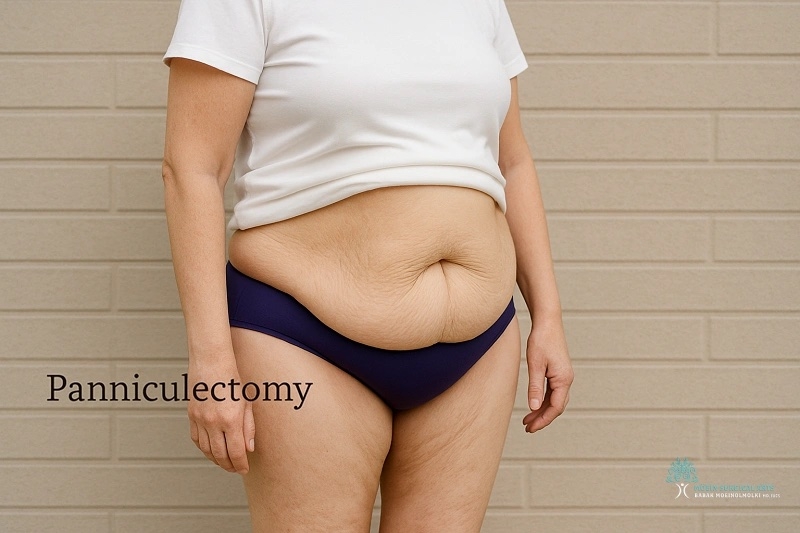
For many patients who achieve substantial weight loss—whether through bariatric surgery or lifestyle changes—the next challenge is often excess, hanging lower-abdominal skin, known as a pannus. This tissue fold can cause persistent discomfort, hygiene difficulties, recurrent rashes, and limitations in daily movement. Panniculectomy is a surgical solution designed to remove the pannus and improve day-to-day comfort and function.
What Is a Panniculectomy?
A panniculectomy is a plastic surgery procedure that removes excess skin and fatty tissue from the lower abdomen. It is commonly considered after massive weight loss, pregnancy-related skin laxity, or aging-related tissue changes.
Unlike a tummy tuck, panniculectomy is primarily focused on functional improvement and quality of life by removing the hanging pannus—rather than tightening abdominal muscles.
Panniculectomy vs. Tummy Tuck: Key Differences
While both procedures address abdominal contour, their goals are different:
-
Panniculectomy: Removes the overhanging pannus (skin/fat). Muscle tightening is not the primary focus.
-
Tummy tuck (abdominoplasty): Removes excess skin and typically includes abdominal muscle tightening for enhanced aesthetic shaping.
A consultation is essential to determine which option aligns with the patient’s anatomy, symptoms, and goals.
Who Is an Ideal Candidate?
Patients may be good candidates for panniculectomy if they:
-
Have experienced massive weight loss and now have a hanging pannus
-
Suffer from skin irritation, rashes, infections, chafing, or hygiene challenges within skin folds
-
Have physical discomfort or restricted mobility due to excess abdominal tissue
-
Are in generally good health and can commit to postoperative recovery guidelines
-
Maintain realistic expectations regarding results and scarring
Why Patients Consider Panniculectomy
Panniculectomy may provide meaningful functional and lifestyle benefits, including:
-
Reduced irritation and discomfort caused by excess abdominal skin
-
Improved hygiene and decreased risk of recurrent rashes and infections
-
Greater mobility and ease with daily activities and exercise
-
Smoother abdominal contour that can support confidence after weight-loss transformation
How the Procedure Is Performed
Panniculectomy is considered major surgery and is often performed in an outpatient setting depending on the individual case.
Anesthesia Options
Common approaches include:
-
General anesthesia (most common): patient is fully asleep
-
Local anesthesia with sedation (select cases): area is numbed and patient remains very relaxed
Surgical Technique Overview
Typical steps include:
-
Incision across the lower abdomen, often hip-to-hip
-
Removal of excess skin and fatty tissue (pannus)
-
Reshaping and closure of the remaining tissue
-
In select situations, the umbilicus (belly button) may be repositioned
Your surgeon will tailor the plan to your anatomy and clinical needs.
Preparing for Surgery: Practical Pre-Op Guidance
Preoperative planning can reduce complication risks and support better recovery. Patients are commonly advised to:
-
Review full medical history, medications, and supplements with the surgeon
-
Avoid certain over-the-counter medications and herbal supplements when instructed (to reduce bleeding risk)
-
Arrange support at home for the first several days after surgery
-
Follow fasting instructions the night before surgery, if provided
-
Plan to wear a compression garment postoperatively
Recovery and Post-Operative Care
Recovery varies, but patients should expect a structured healing period with close follow-up.
Early Recovery Priorities
-
Incision care and hygiene to reduce infection risk
-
Wearing compression garments to support tissue and limit swelling
-
Gradual walking to promote circulation and reduce blood clot risk
-
Avoiding heavy lifting and strenuous activity until cleared
Follow-Up Visits Matter
Scheduled follow-ups help monitor healing and identify issues early, such as fluid accumulation (seroma), delayed wound healing, or infection.
Panniculectomy in Los Angeles with Dr. Babak Moein
Dr. Babak Moein of Moein Surgical Arts provides personalized surgical planning for patients seeking panniculectomy after major weight loss, with an emphasis on safety, realistic expectations, and functional improvement.
Media Contact
Company Name: Moein Surgical Arts
Contact Person: Dr. Babak Moein
Email: Send Email
Phone: +1(310) 455-8020
Address:2080 Century Park East, Suite 501
City: Los Angeles
State: California
Country: United States
Website: https://www.moeinsurgicalarts.com/